The Whole Instruction
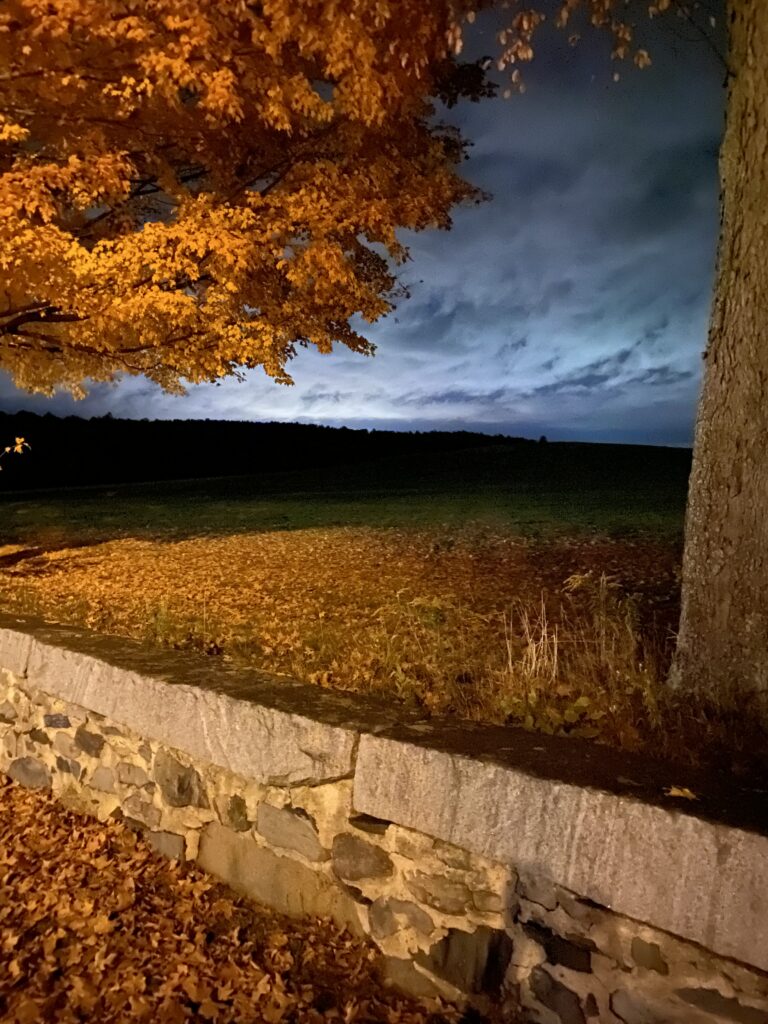
There are two things
to do with pain:

carry it like a stone
until your hands
learn to throw,

or set it down
in the open light

and watch
what it becomes.

•

Being human
is difficult.

This is the secret
that unlocks the world:

suffering is the one language
spoken fluently
in every house.

•

Heartbreak
is how strangers
recognize one another.

In its own tongue

it teaches us
the word for mercy.

•

We do not need
to protect joy
from sorrow.

All it asks for
is a witness—

someone who has been
to the bottom

and come back

still believing.

Still hopeful.

•

The whole instruction
is to love—

despite inevitable loss.

The light

on our beloved's face

will leave

even as we look.

So look longer.

We know the cost.

We pay it gladly.

We would pay it again.

•

And when the breaking comes—

and it will—

we will sit

in the orchard
of our one life

and count

all that fell sweet
within reach.

Not everything.

Enough.

We will gather

all the sweetness

we can hold.

•

Then

we step once more

into the light.

Reflections

The Whole Instruction names two nervous systems. One carries pain like a stone, the braced body under chronic load, still holding a threat it never healed. The other sets it down in the open light and observes and learns without the constant brace. The difference isn't how much pain arrives. It's whether the system can let it move fluidly from a place of fear to a place of trust. Trusting that you can hold and manage whatever flows through you.

And the witness is not metaphor. We are co-regulating animals; the presence of a safe other measurably lowers the cost of feeling. It's why we can go to the bottom and come back when someone regulated is holding the other end of the rope.

We don't protect joy from sorrow because a resilient system was never meant to feel one at a time. Range is the health. Return is the health. "So look longer" turns out to be a physiological instruction: attention is how we metabolize the sweet, transient thing before the light leaves.