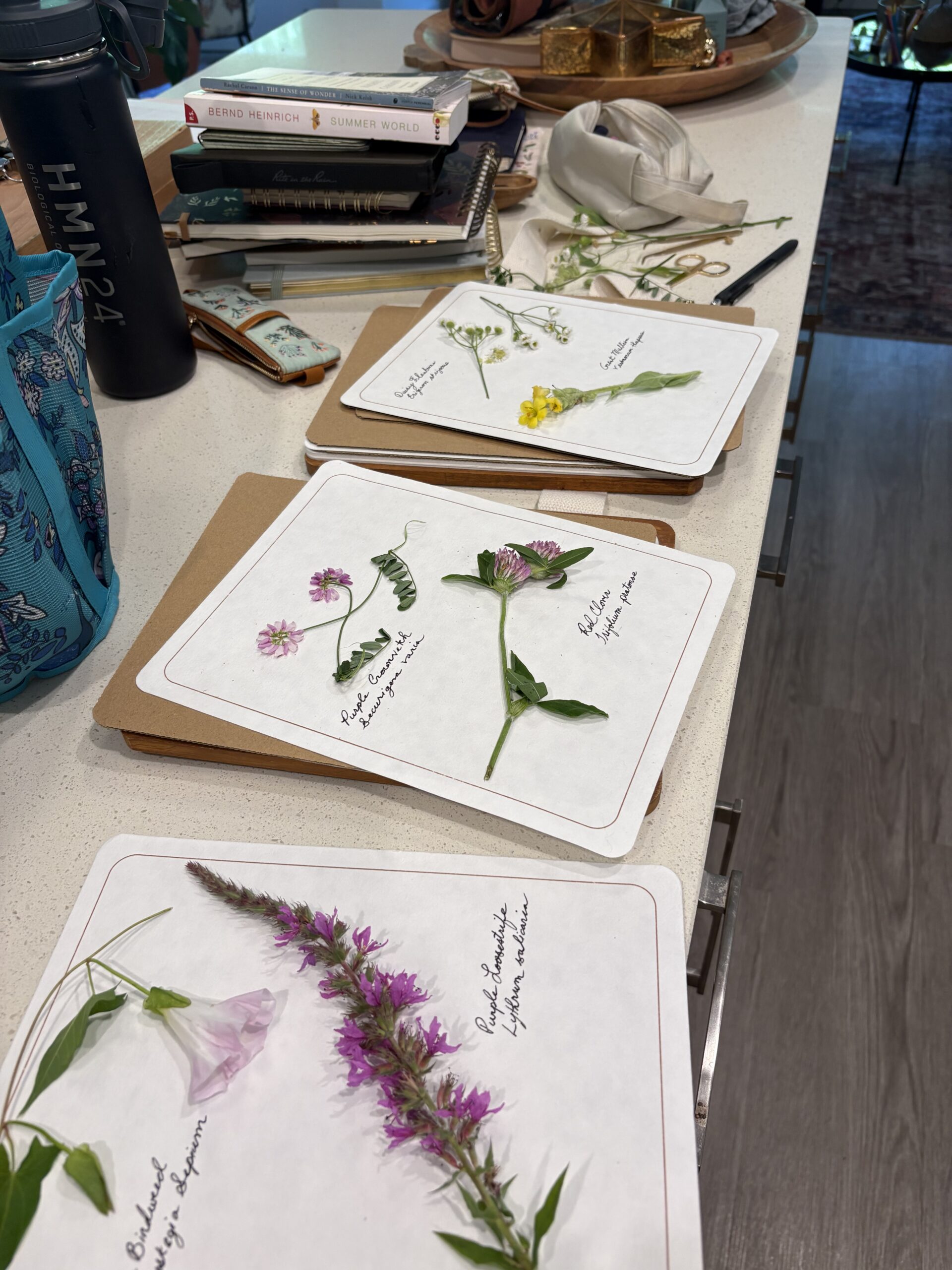
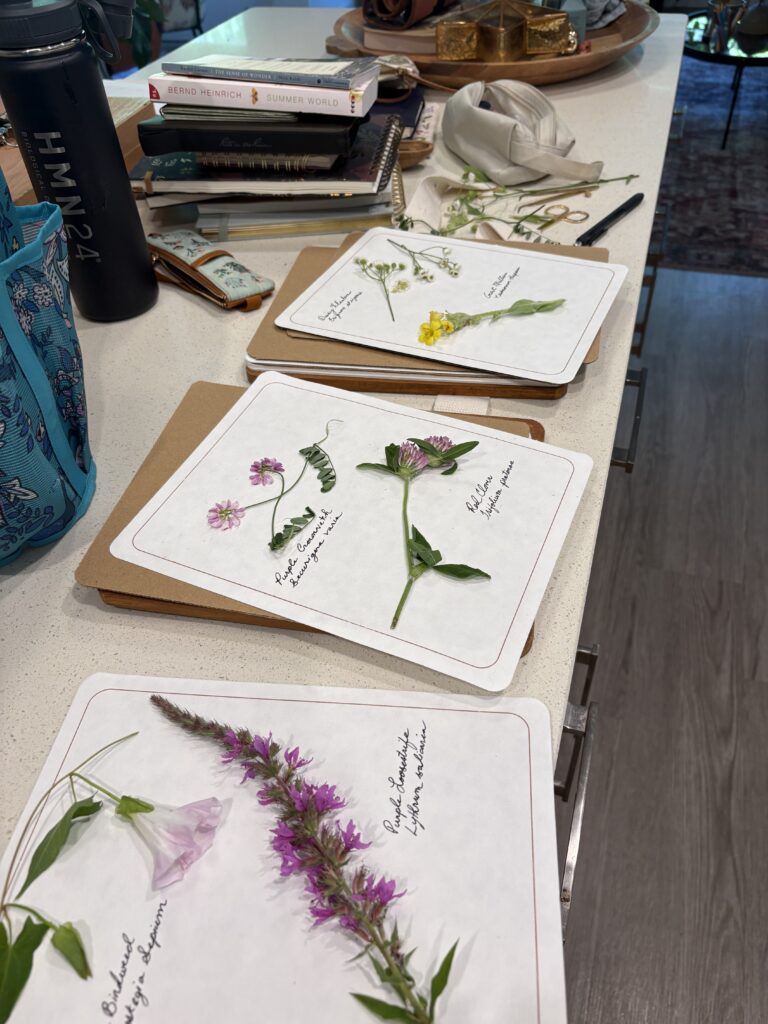
Every pressed flower starts as something living and temporary. So does every love.
On a rock at the foot of a gentle, cold stream
one recognizes the irreversible arrow of time —
a painfully brief assemblage
that has never before been
and will never again be,
no matter the greatness.

And so, the heart lovingly presses, arranges, and labels
its moments together with another.
In between the delicate sheets of parchment paper,
it wakes to a whole new way of seeing and feeling.

Among these petals, pistils, and sublime inter-weavings,
rests an interconnected splendidness
of mutual respect and admiration.
Delicately underpinned
by a raw and humbling spiritual understanding —
symbiotically binding two people together,
creating a mystery so beautiful
that a poem-song heart will gladly spend a lifetime
unraveling and contemplating it.

Know this: in the mind, the album is so beautiful.
Bound in blue linen cloth. In it,
the raw materials that have gone
into making a love bloom —
patience, passion, brave self-discovery —
jumping from the pages,
a ravishing system of aliveness,
a kind of symphony of ever-morphing symmetries.

Symmetries that hand the beholder
a new, fundamental model of reality —
one that is ever-evolving,
and full of possibility,
and joy.

Reflections

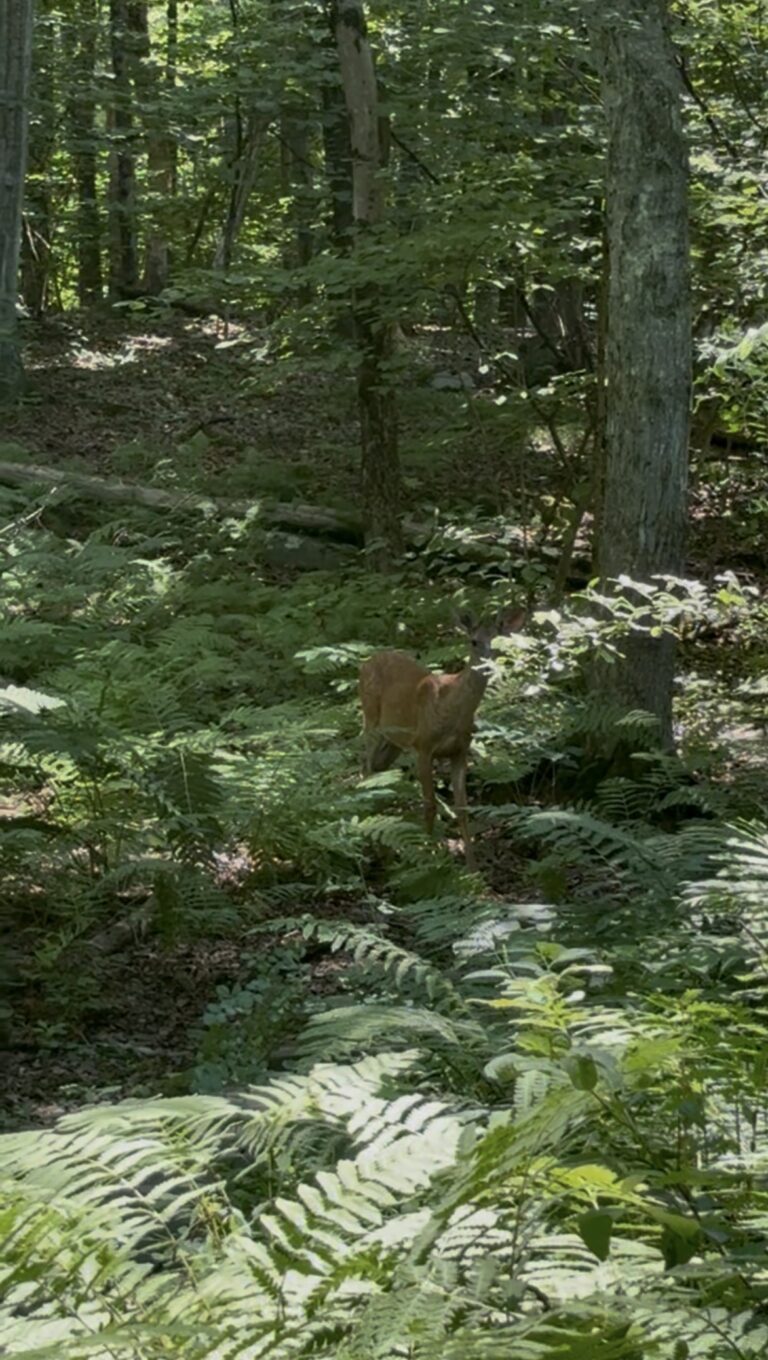
There's a pattern that I'm only noticing now as I revisit these poems that I wrote at different seasons of my life. In What the Tide Left, the chiton's eight-plate armor holds together for exactly as long as the animal inside it is alive — the moment it dies, the plates separate, because the armor was never the thing doing the holding. In Joy, a deer stood rooted and whole for twenty minutes, present for nothing but the moment he was in, carrying no yesterday, borrowing no tomorrow. And here: an afternoon pressing flowers between parchment, deliberately chosen for what's worth keeping and how.

Three different answers to the same question — what does it mean to preserve something alive?

The chiton says: nothing survives its own ending except by ceasing to be sealed shut. The deer says: nothing needs to be preserved at all if you're fully inside it while it's happening. And the pressed flower says something different from both — it says some things can be kept, but only by accepting that keeping changes them. A pressed flower is not a living flower. It's flatter, quieter, and it will never open again. But it also won't fade the way memory fades, and it can be labeled, dated, returned to. What's lost is aliveness; what's gained is permanence.

I think that's the real subject of this poem, more than romance: the trade every act of preservation makes. An album, a pressed petal, a poem, even a field note like this one — none of it is the living thing. It's what's left after you decide the living thing was worth keeping, in whatever form keeping is possible. The raw materials the poem names — patience, passion, brave self-discovery — aren't decorations on the love. They're what gets pressed flat and kept, once the love itself has moved on to wherever moments go.

Maybe that's what a notebook like this one actually is. Not the life. The pressing of it.
Desire is the nervous system’s movement toward what it cares about, the impulse to reach before the mind has found its reasons. What’s notable here isn’t the absence of struggle. It’s that the body reaches anyway, leaning into the weather rather than letting it decide, and that leaning is its own kind of aliveness.