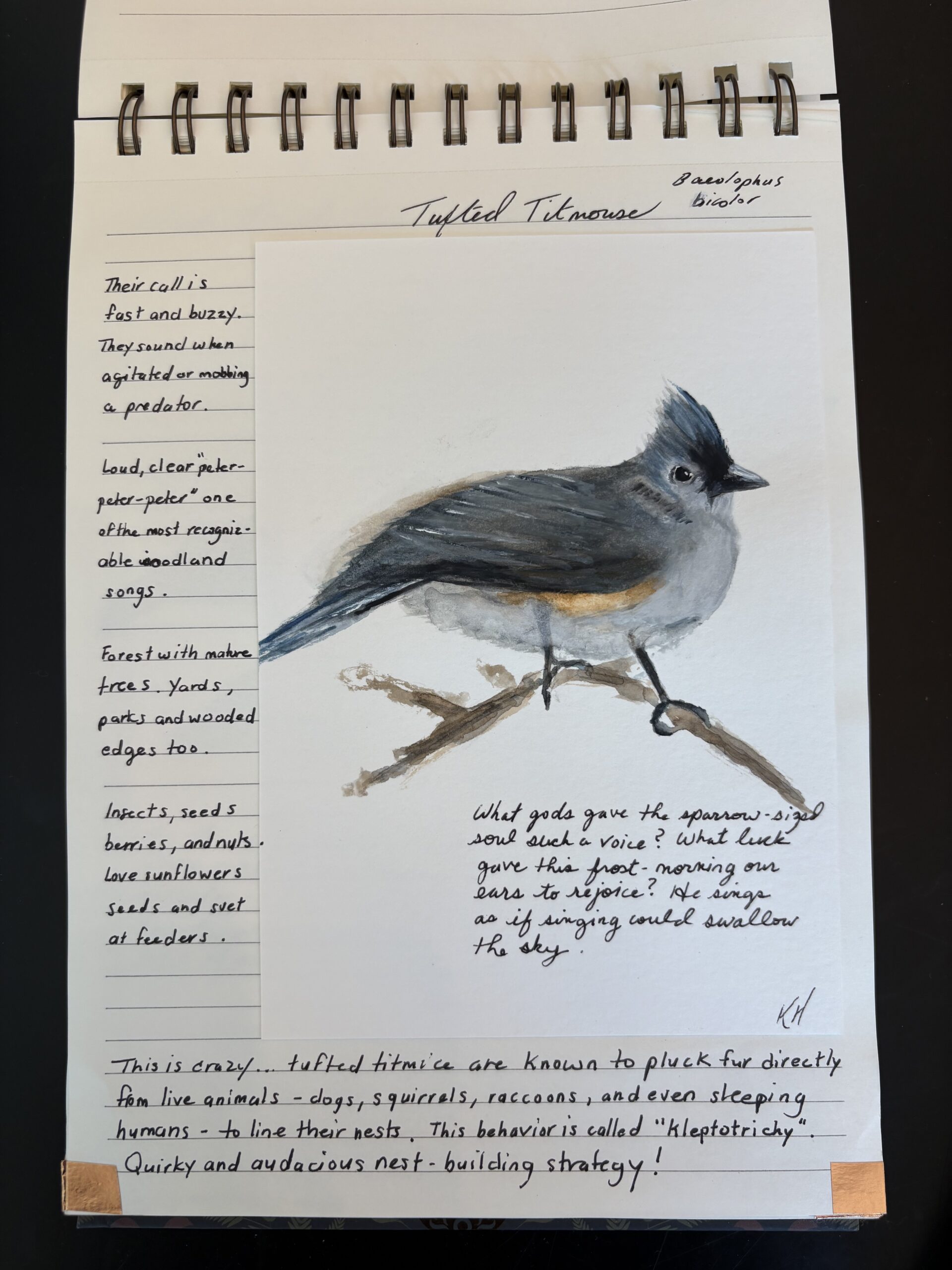
The Tufted Titmouse (Baeolophus bicolor)
Watercolor journal page of a tufted titmouse with handwritten field notes
Call
Fast and buzzy when agitated or mobbing a predator — but the song is the thing: a loud, clear peter-peter-peter, one of the most recognizable sounds in the eastern woodlands. It carries absurdly far for a bird that would fit in your palm.
Habitat
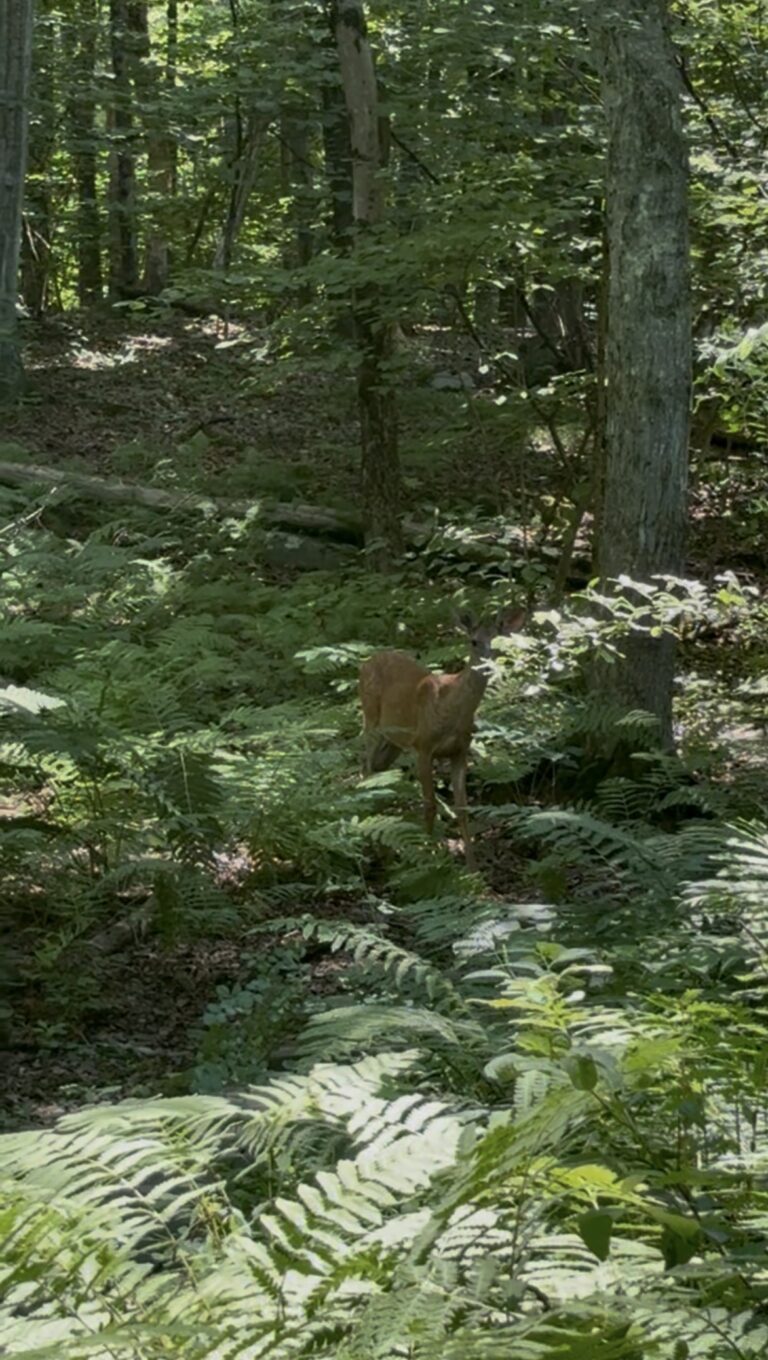
Forests with mature trees, and just as happily your yard, the park, and wooded edges. Unlike so many songbirds, titmice don’t migrate — a pair holds its small territory through the whole year, which means the bird singing in your trees in July is very likely the same one weathering January there.
Diet
Insects, seeds, berries, and nuts; devoted to sunflower seeds and suet at feeders. Watch one at a feeder and you’ll see the routine: take a single seed, fly to a branch, pin it under one foot, hammer it open, return. In fall they cache seeds one at a time — hundreds of tiny deposits, each remembered.
Field marks & fun facts
- That gray crest and big black eye give it a permanently alert, slightly indignant expression — which fits.
- This is crazy: tufted titmice are known to pluck fur directly from live animals — dogs, squirrels, raccoons, even sleeping humans — to line their nests. The behavior has a name: kleptotrichy. Quirky, audacious nest-building.
- In winter, titmice often lead mixed flocks of chickadees, nuthatches, and downy woodpeckers — and the other species key off the titmouse’s alarm calls. Whole sections of the forest effectively outsource their vigilance to this one small, loud bird.
Reflect
What gods gave the sparrow-sized soul such a voice? What luck gave this frost-morning our ears to rejoice? He sings as if singing could swallow the sky. — from my field journal
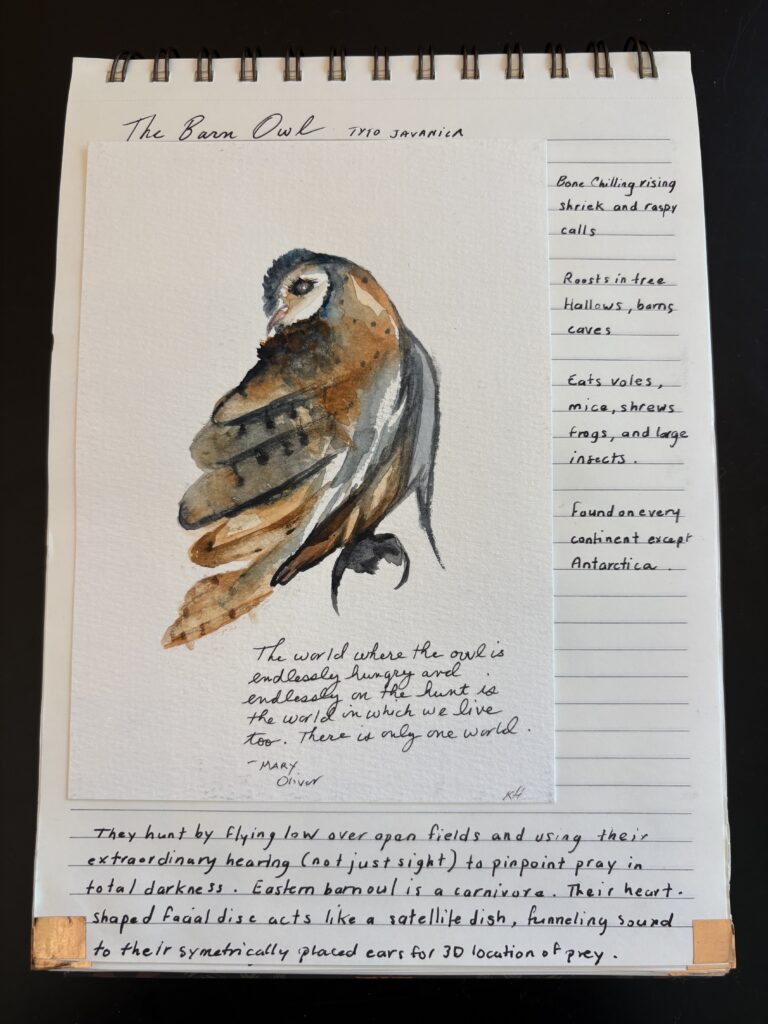
If the barn owl is the special operator of the bird kingdom, the titmouse is the comms officer. Small, impossibly bold, first to sound off — and the rest of the flock runs on its signal. Nuthatches and woodpeckers don’t maintain their own full surveillance of the winter woods; they listen for the titmouse. One vigilant nervous system, serving many.
We do this too. In every group I’ve ever been part of — teams, locker rooms, families — there’s a titmouse: the one whose voice the others calibrate to, whose alarm is trusted, whose all-clear lets everyone go back to foraging. Co-regulation, we call it in my field: nervous systems syncing to a trusted signal instead of each running its own exhausting threat scan. It’s rarely the biggest one in the room. It’s the one who sings anyway — as if singing could swallow the sky — and steals fur from the sleeping dog on the way home.
Audacity, it turns out, is not a function of size.