Nova Scotia

My heart nestled among the balsam firs and red maples,
the Maine coastline only a stone’s throw away —
a more distant shore, your heart,
shaped by currents against the moonlit pinnacles,
dark caves and coral rock.
In the hush of salt wind, pine scent,
my heart and the waves break.
In my hands the raw material —
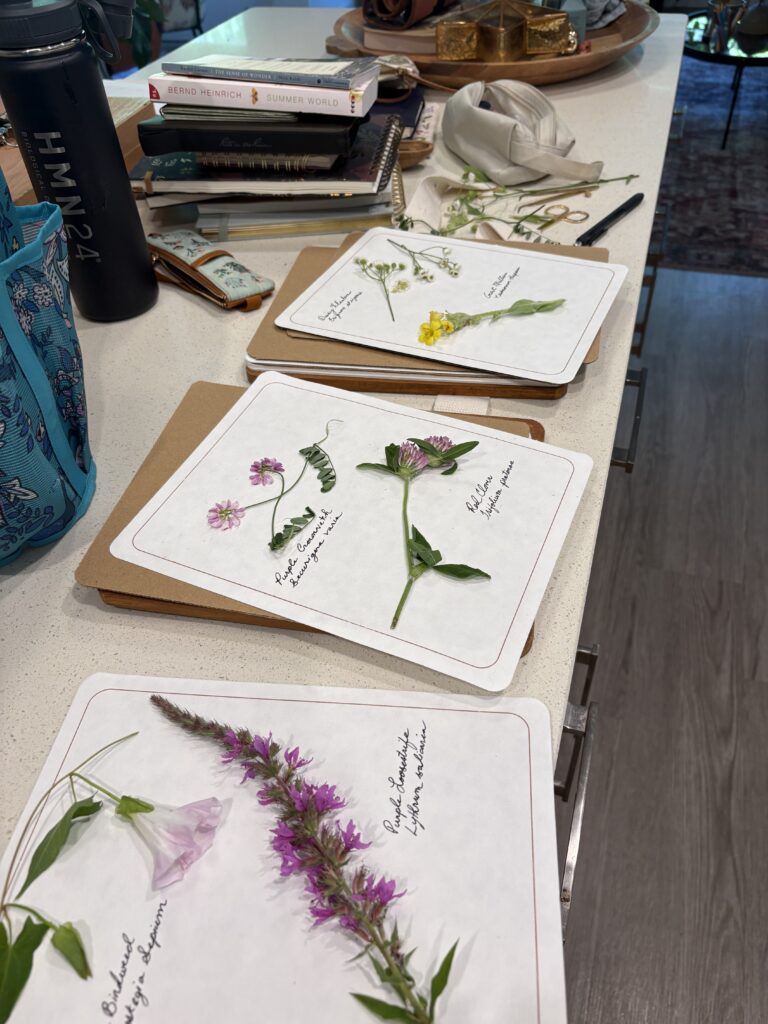
shells, feathers, pressed flowers,
ballads of hope and despair,
lines and lines of an impossible love.
I loved him when I saw him. My sun and moon.
I weep.
In the swell of solitude,
the stars look at me with your eyes.
Your presence wraps around my anxious edges,
beneath the logic and longing:
I know nothing could ever take its place.
But in this deepest wellspring of love and loss,
I will pray for another tender night —
a morning star to burn through my heart.
Reflections
An excerpt from my book Aligned below.
The body remembers heartbreak after the mind begins to heal. In that remembering is an invitation: to approach our biology not as enemy, but as messenger.
Under the surface of any heartache lies a deeper contour — the script of our earliest attachments. The body isn’t only registering the loss of a person, but the echo of older relational patterns: how we were cared for, or overlooked; what we internalized about being worthy of love, or safe enough to receive it. Attachment theory reminds us that the nervous system has been quietly fashioning itself since infancy, wiring its response to love and threat long before we had a word for heartbreak. Secure, consistent care laid a foundation of calm and parasympathetic ease; inconsistent care taught a nervous system to brace rather than receive.
The Irish poet and philosopher John O’Donohue captured it perfectly, magnificent book Anam Cara: A Book of Celtic Wisdom: “When we love and allow ourselves to be loved, we begin more and more to inhabit the kingdom of the eternal. Fear changes into courage, emptiness becomes plenitude, and distance becomes intimacy.”
Love is something we must be open to receiving in whatever form it takes — romantic, platonic, or self-directed. It should help create conditions that call forth our fullest potential.