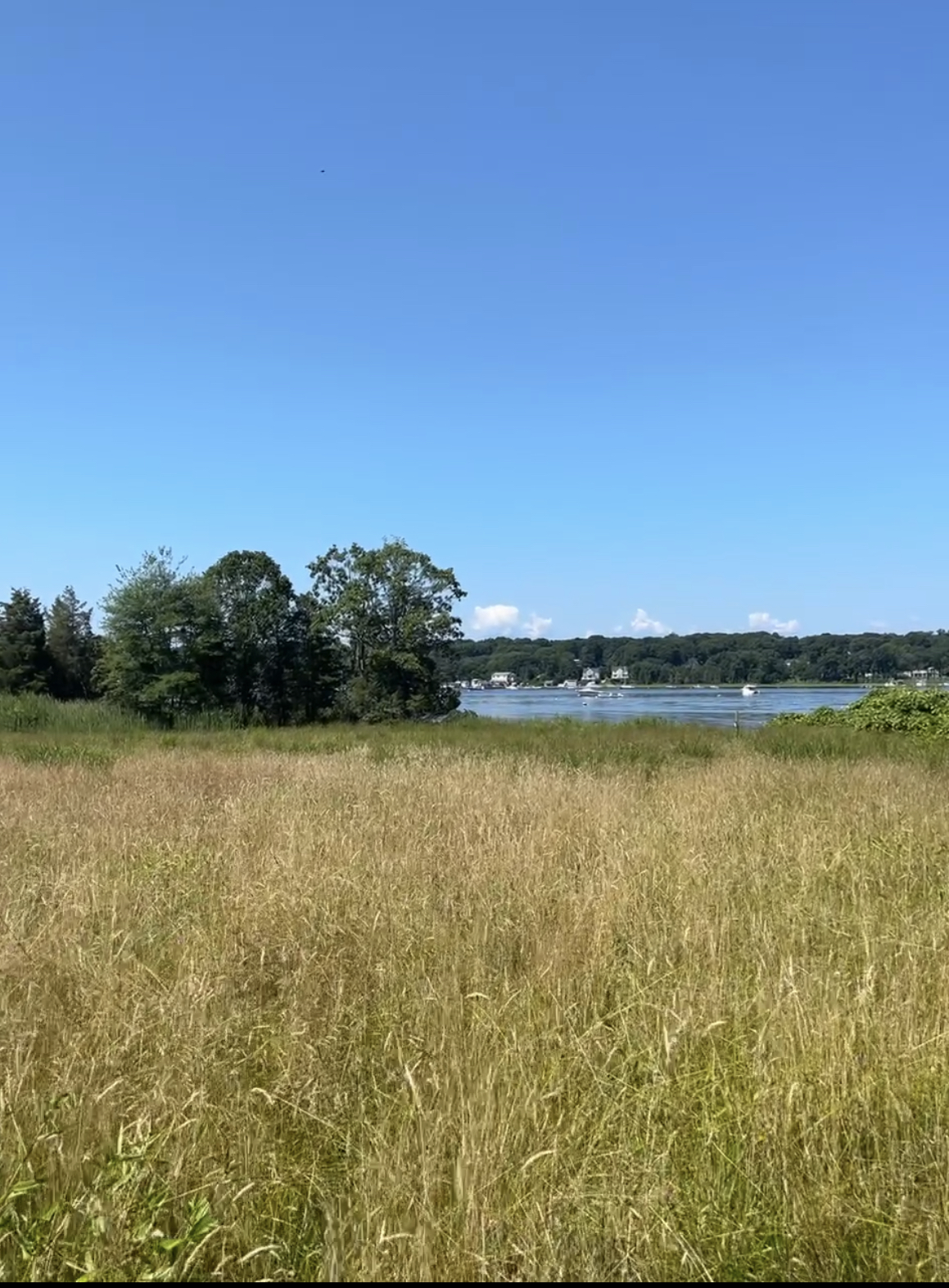
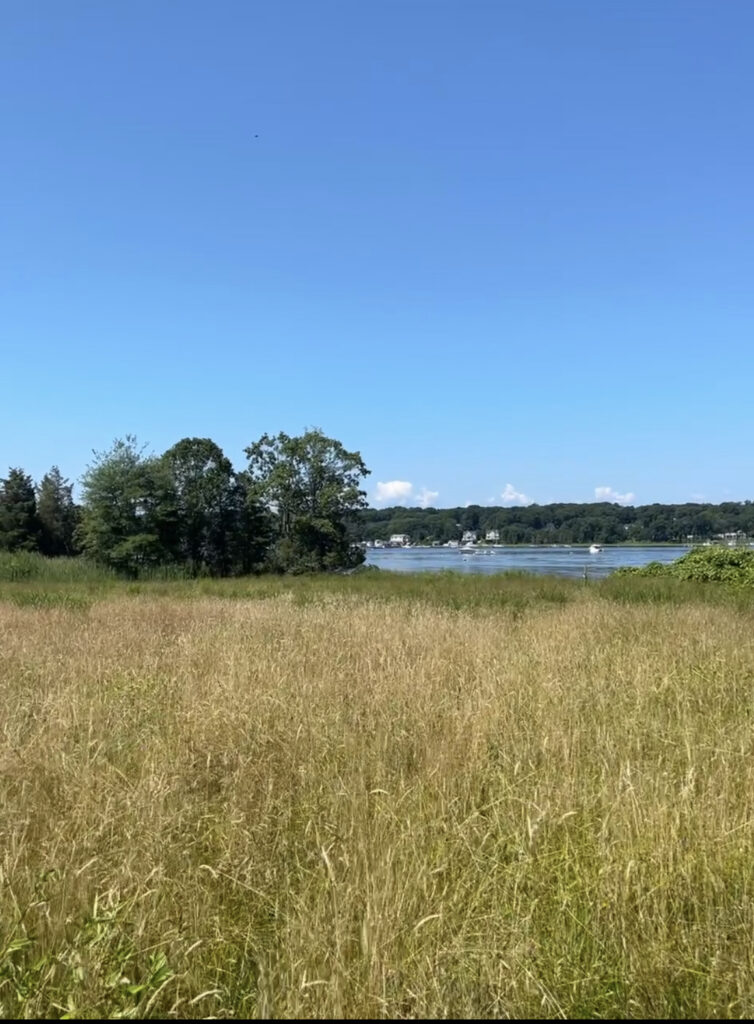
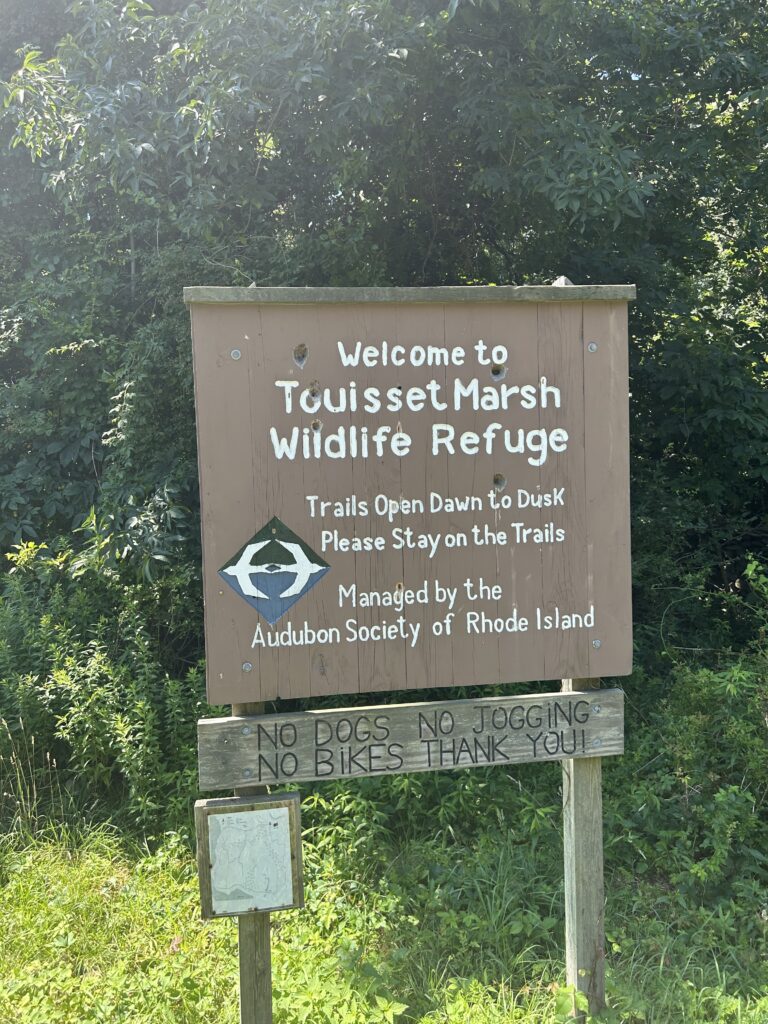
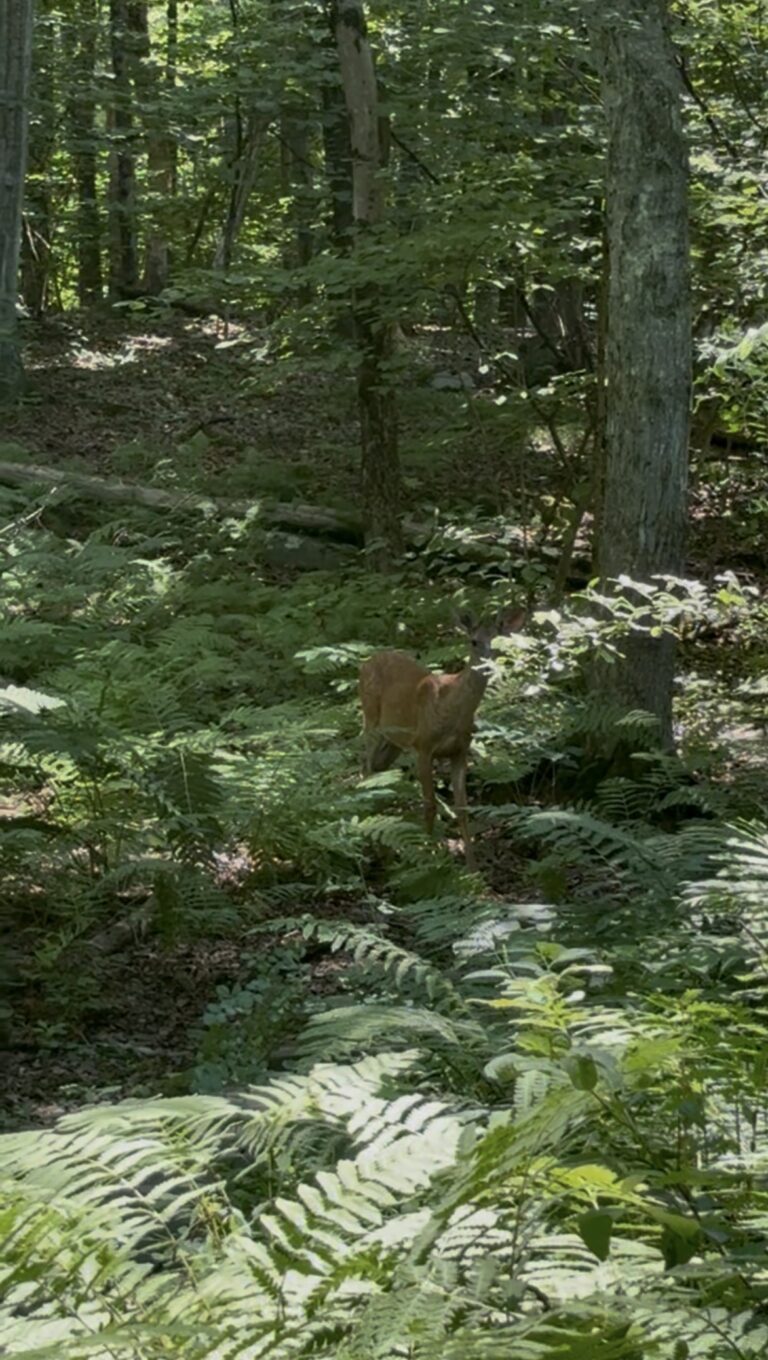
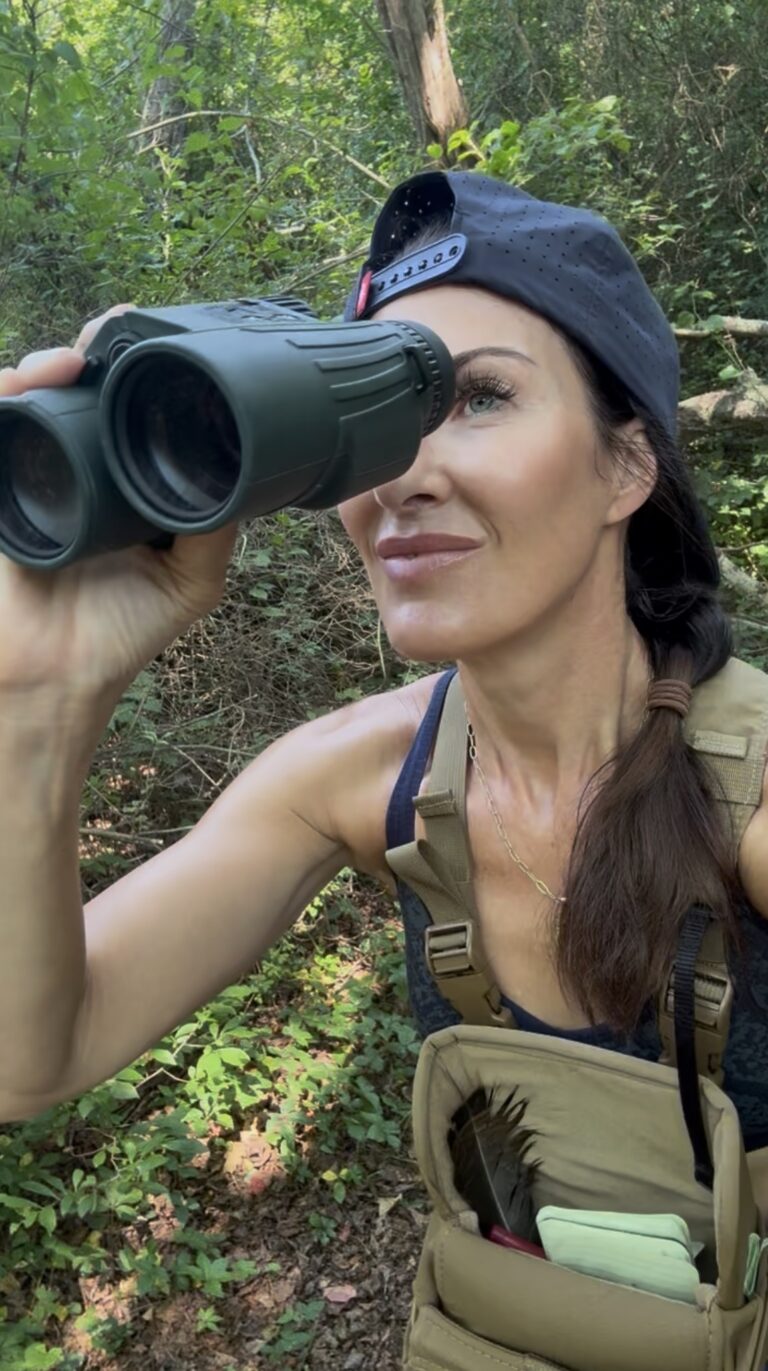
Touisset Marsh Wildlife Refuge (Managed by Audubon Society of Rhode Island). Give to Audubon here.
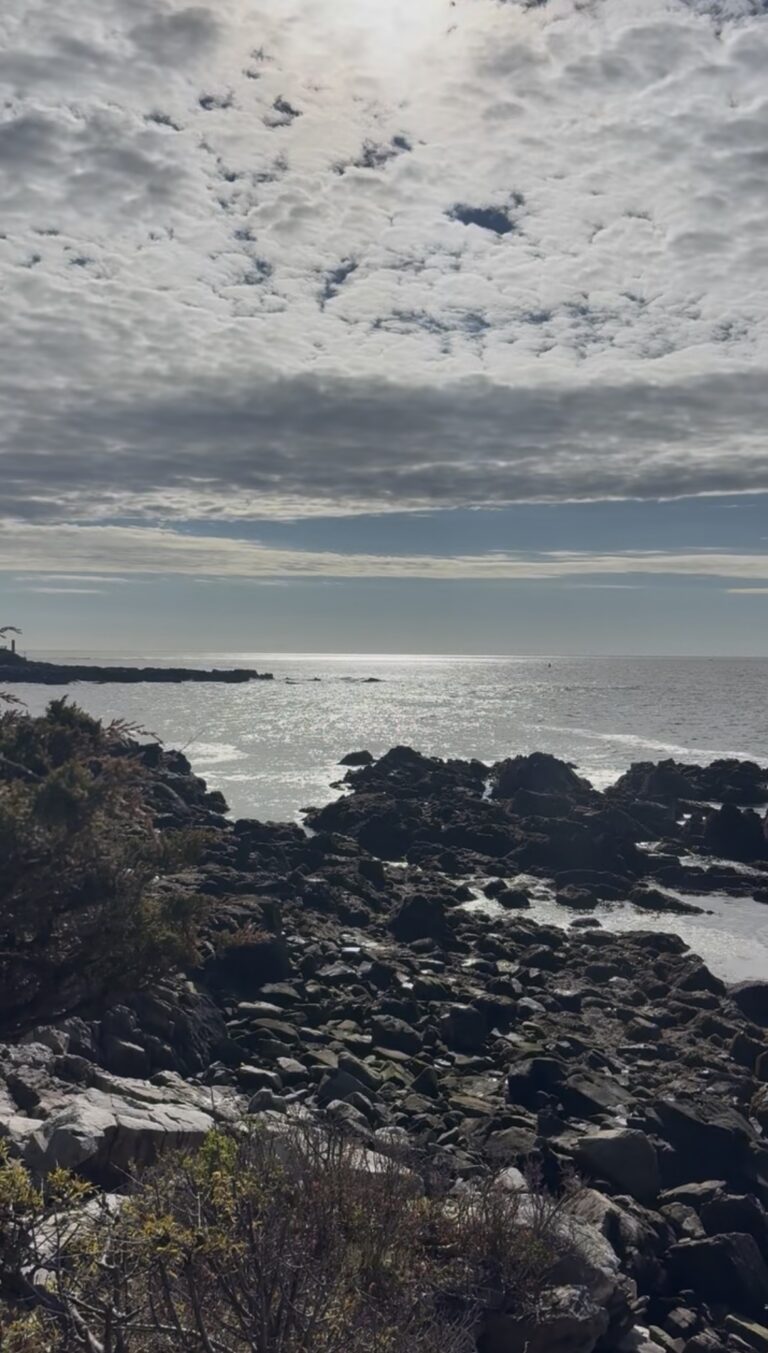
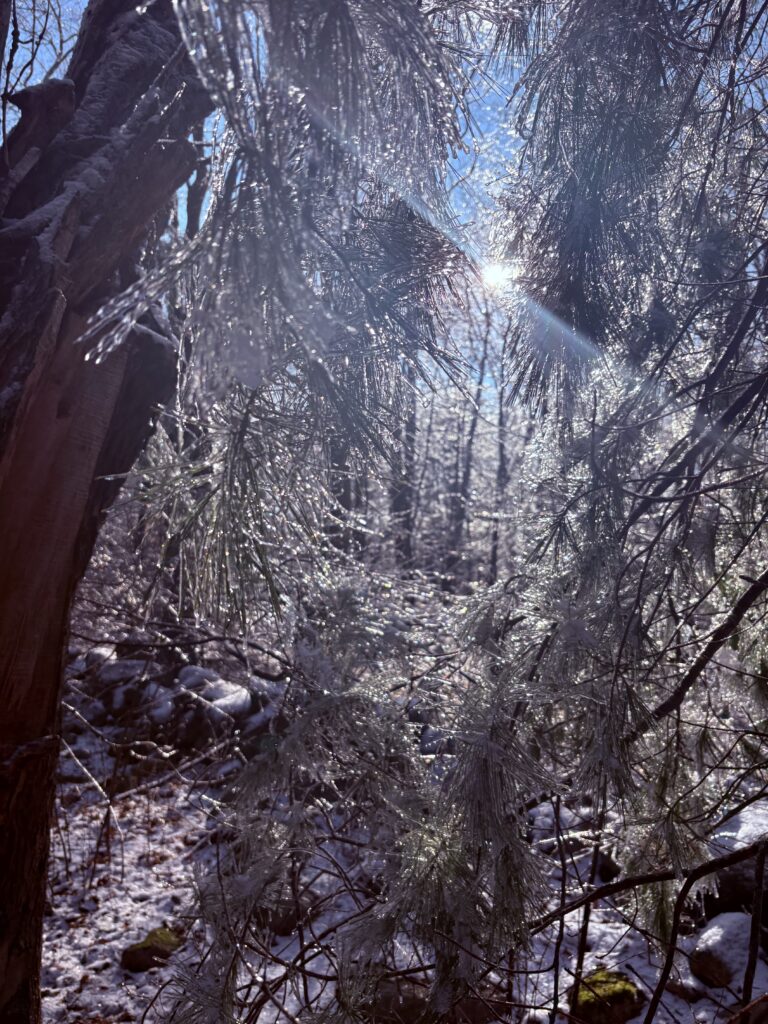
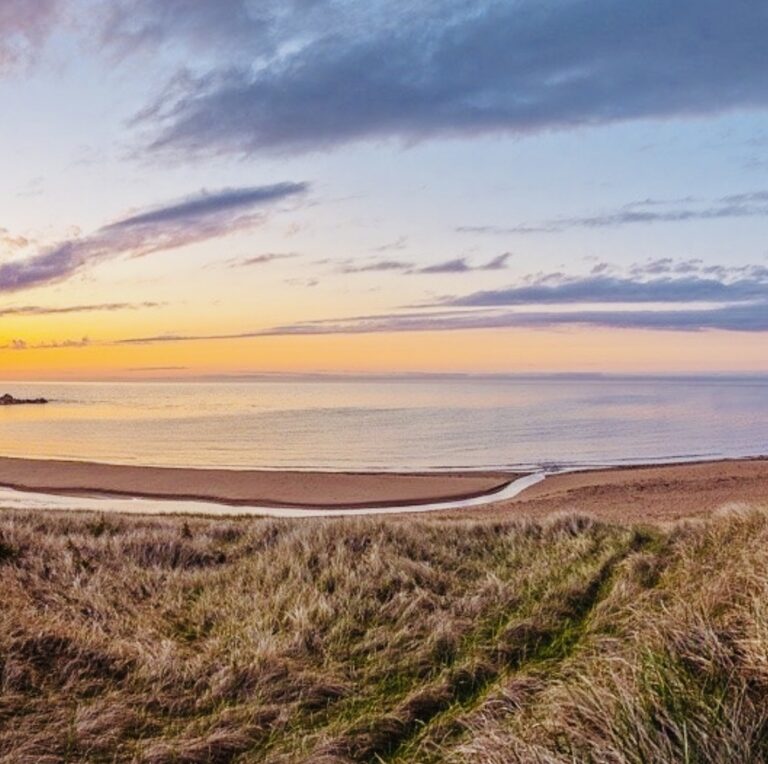
The salt marsh in summer. The swirling bark on the trees. The eastern bluebird. The ebb and flow of the tide. The folded bud ready for an August bloom.

When I think about how a person, or a society, grows, I cannot imagine wanting to be under the influence of anything else. All of nature's mystery, deeply and logically rooted.

There is beauty, symbolic and actual, in the migration of birds, in the assurance that spring comes after winter. It is easy to forget the calmness and courage in these things too: to be undisturbed in the same soil, for a while. Alone with limitations. Allowing discomfort to bubble as the paradox thickens, the edges wither as I move closer to the source.

The mind quiets. All I hear are the birds singing, a happy kind of turbulence.

I can finally rest.

🪶

Reflection: The Pond and the Nervous System

It is how I stay calibrated when life does not comply, and how I build reserve for the days that will test it. The woods, the ocean, the marsh: something settles in me there that settles nowhere else. I stop being pulled forward into the future or back into the past, and I get to be present, which is the one state where it is genuinely hard to feel anxious. The body knows it before the mind does.

I understand now what my body was doing all those years before I understood physiology. Anxiety often lives in anticipated futures and rehearsed pasts. It is the nervous system forecasting threat and mobilizing for it, sympathetic drive spun up against something that is not actually in the room. Presence collapses that timeline. Standing in the marsh with the tide moving, there is nothing to brace against and nothing to defend, and the body reads the only signal that matters: here, now, safe. The mind takes longer to agree, but it eventually follows the body down. That is the order of operations. Regulation is bottom up.

The pull goes back to the little pond behind our house in Maine. It was predictable in a way that soothed me, and I did not have that same predictability everywhere else, so I went looking for it in the water and the trees. I think of that predictability now as a safety cue, the kind of steady, low-stakes input that lets the parasympathetic branch come forward and the body settle into its baseline. The pond gave my nervous system a firmer ground to stand on.

But the woods hold mystery too. There is always something you have not seen yet, something that keeps you coming back. That is the other half, and physiologically it is not the opposite of safety, it is its companion. Novelty pulls a gentle orienting response, a small lift of arousal, curiosity rather than threat. It is sympathetic engagement you welcome instead of brace against. Predictable enough to trust, alive enough to surprise you. That combination is the whole thing, and the whole thing has a name I have spent my working life on: autonomic flexibility. It means moving fluidly between the two, settling into neither for long. The range itself is the health. It is what heart rate variability is quietly measuring every night, the body's capacity to shift, to meet the moment and return.

I have come to notice the same pattern in what draws me to people. The steadiness I look for is the pond, the co-regulating presence that lets my system rest. But steadiness alone does not hold my attention. There has to be some mystery in a person, some part still unfolding, some reason to keep coming back. The landscape has been teaching me what I want from a life and from the people in it, and it turns out to be the same lesson the nervous system already knew: enough constancy to rest in, enough change to stay curious. Enough safety to soften, enough novelty to stay alive to it.

I wrote a line in a poem recently about a happy kind of turbulence. I did not plan it as physiology, but that is exactly what it is. Turbulence you can rest inside of is not dysregulation. It is flexibility. It is a nervous system with enough range to welcome both- the surprise and the steadiness. I have been trying to build a life, and help other people build one, that holds both.
Desire is the nervous system’s movement toward what it cares about, the impulse to reach before the mind has found its reasons. What’s notable here isn’t the absence of struggle. It’s that the body reaches anyway, leaning into the weather rather than letting it decide, and that leaning is its own kind of aliveness.